How the 2026 ISPA U.S. Spa Industry Study can help spa leaders turn industry data into better business decisions
THE SPA INDUSTRY IS GROWING, and the most useful question for spa leaders is no longer simply How much? It is What kind of growth, at what cost, and with what opportunity attached?
According to the 2026 ISPA U.S. Spa Industry Study, the U.S. spa industry reached an estimated $23.5 billion in revenue in 2025, a 4.2 percent increase over 2024. Spa visits climbed to 191 million, and average revenue per visit rose to $123.10. Together, those figures point to an industry that continues to benefit from strong consumer demand, even as operators manage a more complex environment shaped by staffing pressure, rising costs, pricing decisions, shifting guest expectations and the need to protect profitability.
The “Big Five” numbers are the headline. The full report is the operating manual.
The value of the ISPA U.S. Spa Industry Study for spa leaders is not only in seeing where the industry stands, but in using that information to make better decisions: how to price, how to staff, where to invest, what to measure and how to build a business that is both profitable and sustainable.
Research with a purpose
The ISPA Research Foundation exists primarily to support research and education that benefits the spa industry. Through initiatives such as the ISPA U.S. Spa Industry Study, the Foundation helps spa professionals make more informed decisions grounded in credible, industry-specific data.
1 GROWTH IS REAL but it is becoming more strategic
The industry added approximately $1 billion in revenue in 2025, continuing the momentum that has defined the post-pandemic recovery. Since surpassing the $20 billion mark in 2022, the spa industry has shown notable resilience despite inflationary pressure and changing consumer spending patterns.
But 2025's growth story is not only about more visits.
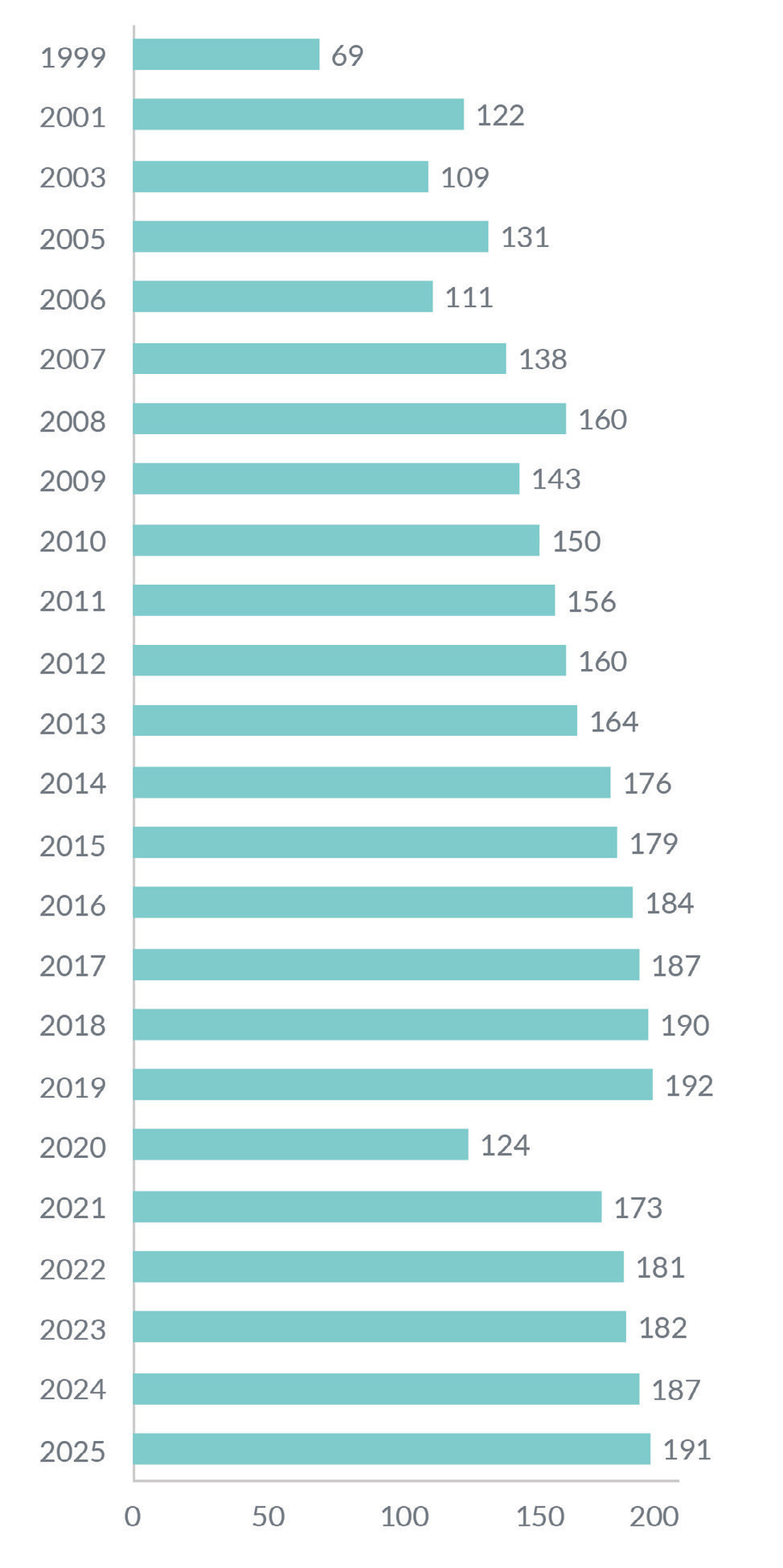
It is also about more value per visit. Visits increased 1.8 percent, while average revenue per visit rose 2.3 percent. That distinction matters. It suggests operators are not relying on traffic alone; they are also creating value through service mix, pricing, enhancements, premium offerings and guest experience design.
BUSINESS TAKEAWAY: Spa leaders should compare their own growth against the industry’s two-part pattern: visit volume and revenue per visit. If visits are flat but revenue per visit is rising, the business may be improving yield. If visits are growing but revenue per visit is stagnant, there may be opportunity in menu strategy, upgrades, retail attachment or pricing.
LEADERSHIP QUESTION: Are you measuring growth by calendar fill alone—or by the value each appointment creates?
2 SERVICES ARE WHERE experience and margin meet
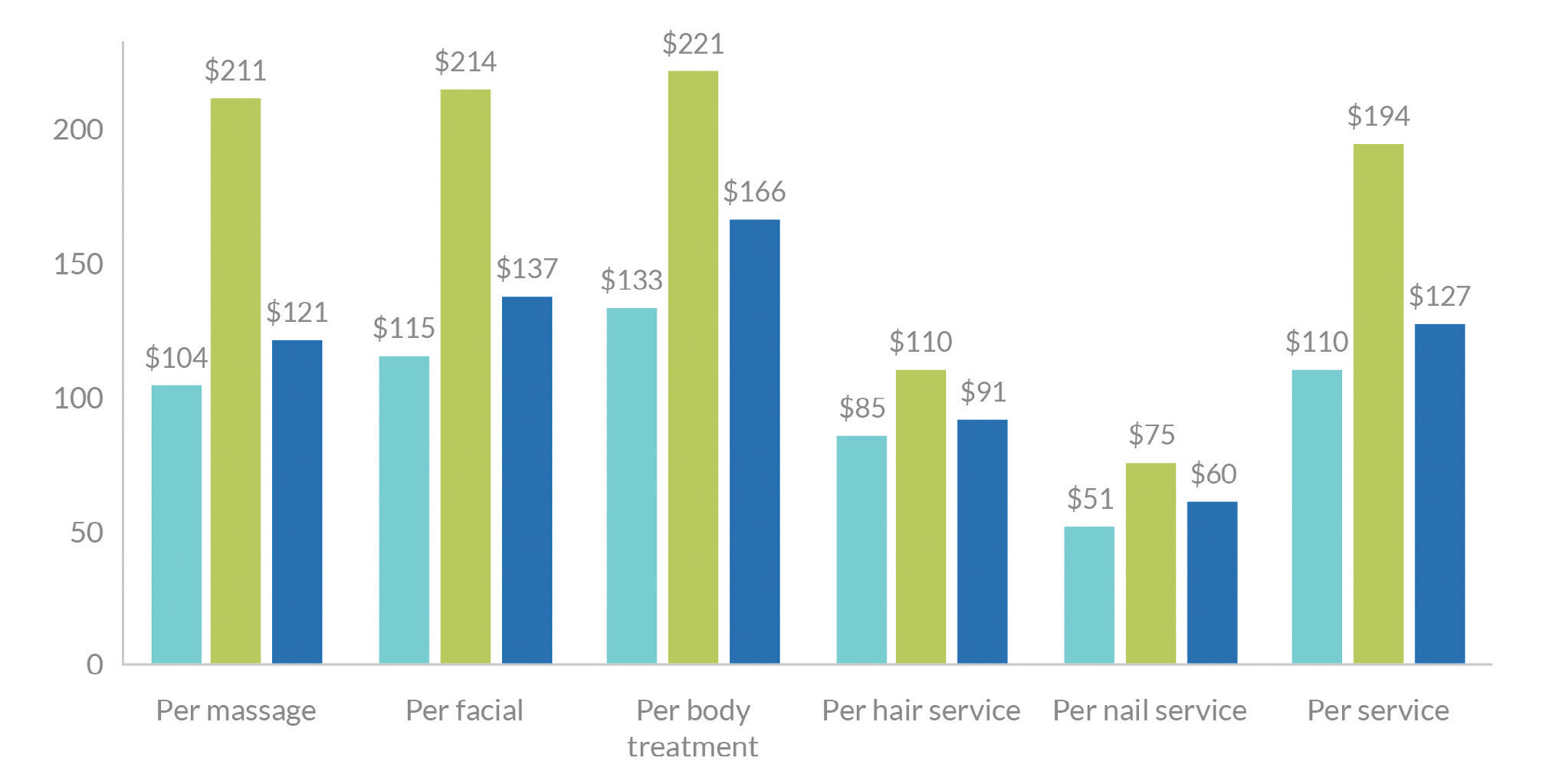
Spa services remain the heart of the guest experience, but they are also one of the most important levers for profitability. The report’s services-focused findings can help leaders evaluate whether their menus are aligned with current demand, operational capacity and financial goals.
In a labor-intensive business, a “popular” service is not automatically a profitable one. A treatment that fills the schedule but requires high labor, long turnover time or costly products, or offers low retail follow-through, may not contribute as strongly as it appears. Conversely, a carefully designed enhancement, seasonal treatment or premium service can increase guest satisfaction while improving revenue per visit.
The most useful way to read service data is through the lens of guest behavior and operational reality. What are guests choosing? Which services are easiest to staff? Which treatments create retail opportunities? Which ones support repeat visits, memberships or packages? Which require more resources than they return?
3 STAFFING REMAINS the operating constraint
The 2026 study confirms what many spa leaders feel every day: Workforce pressure continues to shape operations. Total employment reached an estimated 376,900 workers in January 2026, relatively flat compared with the previous year. Full-time employment remained unchanged, part-time employment rose slightly and independent contractor positions continued to decline.
At the same time, 61 percent of spas reported actively trying to fill unstaffed service provider positions, including 64 percent of resort and hotel spas and 56 percent of day spas. Staffing concerns also ranked among the leading challenges operators identified for 2026.
This is not only an HR issue. It is a profitability issue, a guest experience issue and a culture issue. Unfilled provider roles can limit available appointments, increase pressure on existing team members and make it harder to meet demand during peak periods. Over time, staffing strain can affect morale, retention and the consistency of the guest experience.
KEY MOVES FOR LEADERS:
- Track waitlists and denied bookings by service type.
- Identify peak-period staffing gaps.
- Build flexible coverage models without overloading core providers.
- Use compensation, culture and scheduling practices as retention tools.
- Treat team happiness as a measurable business outcome, not a soft benefit.
PUT THE REPORT TO WORK
The 2026 ISPA U.S. Spa Industry Study is not just something to read. It is something to use.
FOR SPA LEADERS, the report can support decisions that affect profitability, guest experience, team happiness, culture and long-term leadership legacy. It can help validate budget requests, guide pricing conversations, reveal staffing priorities, support menu decisions and strengthen strategic planning.
USE THE STUDY TO:
- Benchmark your performance against industry averages.
- Evaluate pricing, service mix and revenue per visit.
- Identify staffing gaps and retention risks.
- Plan renovations, expansions or facility investments.
- Refine marketing around demand and guest behavior.
- Support leadership decisions with credible data.
The full 2026 ISPA U.S. Spa Industry Study is available to ISPA members as a member benefit in the Research tab at experiencespa.com. For leaders who want to build stronger businesses—not just busier schedules—the report offers something essential: a clearer view of what is happening now, and a smarter way to decide what comes next.