Helping AI Help Guests Find You
BY CRYSTAL DUCKER

Search Spa near me with cryotherapy
"Your spa's digital presence is no longer just a marketing nice-to-have. It is part of the guest experience before the guest ever walks through the door."
Recently, I've found myself using AI to quickly find and compare places of business in ways I probably would have handled through a string of Google searches not long ago. I've used it to research where to buy new tires for my car, which was thrilling in the way only tire tread ratings can be. I've also used it to compare golf instructors who focus on the mental side of the game, because apparently my swing is not the only thing that needs coaching.
And that is exactly the point. Consumers are beginning to use AI as a shortcut for everyday decisions. They are not just looking for information. They are asking for recommendations, comparisons and help narrowing down their options.
Spa guests are, and increasingly will be, doing the same thing.
Instead of typing "best spa near me" and scrolling through pages of search results, a potential guest may ask an AI tool, "Where should I book a relaxing spa day near downtown that also offers cryotherapy? Or, What's the best spa within 20 minutes that offers couples massage, online booking and a quiet relaxation lounge?"
In other words, your future guest may not be browsing search results one by one. They may be asking AI to do the browsing for them.
That shift matters. AI tools are changing how consumers find businesses, and the pace is picking up quickly. BrightLocal's 2026 Local Consumer Review Survey found 45 percent of consumers are now using AI tools for local business recommendations, up from six percent the year before. The same report noted consumers are not blindly trusting those recommendations, with 88 percent fact-checking reviews cited by AI tools.
Another study from Rio SEO found 84 percent of consumers search online for local businesses daily, 60 percent click on AI-generated overviews in Google Search and 53 percent are unlikely to visit a business with incorrect listings.
Translation: Your spa's digital presence is no longer just a marketing nice-to-have. It is part of the guest experience before the guest ever walks through the door. Think of it as your virtual front desk, minus the calming music and cucumber water.
So, how do you help AI tools understand, trust and recommend your spa? Start by thinking more like a guest with a very specific need.
Search like a guest
Open ChatGPT, Gemini, Perplexity or Google and try a few searches your ideal guest might use.
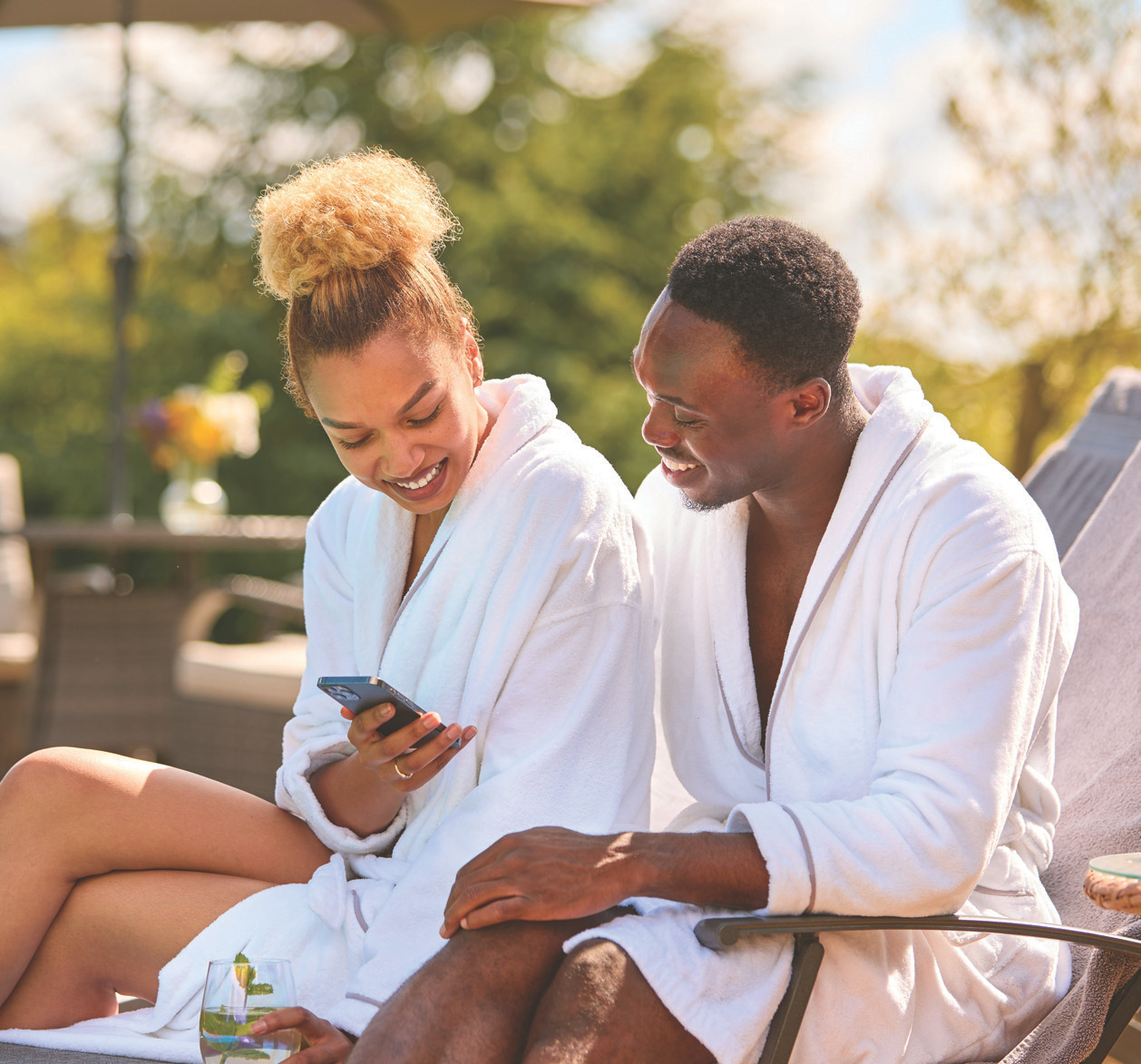
"AI search is not about gaming the system. It is about making sure your spa is easy to understand, easy to trust and easy to recommend."
Prompts to try
- What are the best spas near [city] for a relaxing girls' weekend?
- Recommend a luxury spa near [neighborhood] that offers facials and massage.
- Where can I book a couples massage near [destination] with strong reviews?
- What spa near me is best for stress relief, quiet atmosphere and online booking?
Notice whether your spa appears. If it does, look closely at what AI says. Is the description accurate? Are services current? Does it mention amenities you care about? If your spa does not appear, review which competitors do and what information seems to support their visibility.
Clean up the basics
AI tools pull from publicly available information across websites, maps, directories, reviews, social media and booking platforms. If your information is inconsistent, incomplete or outdated, AI may skip over you or describe your spa poorly. Audit these first:
Google Business Profile; Apple Maps; Bing Places; Yelp; Tripadvisor, if relevant; SpaFinder or other industry directories; Your website contact page; Instagram, Facebook, TikTok and LinkedIn profiles. Make sure your name, address, phone number, hours, booking link and service categories match everywhere. This is not glamorous work, but neither is explaining to a guest that your Google Business Profile's Sunday hours are incorrect.
Say what you actually offer
AI responds well to clear, specific language. Your website should plainly answer the questions guests are asking. Include details such as:
- Signature services
- Massage, facial, body treatment and wellness categories
- Couples services
- Group booking or bridal party options
- Gift card availability
- Online booking
- Parking, locker room, pool, sauna or steam access
- Location details near landmarks, hotels or neighborhoods
A beautiful website that says "an elevated sanctuary for renewal" is lovely. A website that also incorporates "90-minute deep tissue massage, HydraFacial, couples massage and spa packages in Asheville, North Carolina" is much easier for AI to understand.
Build a review strategy
Reviews still matter, but AI discovery is not limited to one platform. Encourage happy guests to review you on the platforms that matter most in your market. Respond to reviews consistently, especially those that mention specific services, staff, amenities or occasions.
A review that says "wonderful experience" is nice. A review that says "the prenatal massage was excellent, booking was easy and the relaxation lounge was beautiful" gives AI much more useful context.
Ask AI to audit you
Prompt to try: Please evaluate my spa's online presence for AI search visibility. Review website copy and tell me what information is missing, unclear, inconsistent or difficult for a search engine or AI assistant to understand. Suggest specific updates that would help guests find us when searching for services, amenities and local spa recommendations.
Your takeaway
AI search is not about gaming the system. It is about making sure your spa is easy to understand, easy to trust and easy to recommend. The good news? Most of the work also improves the experience for real humans. And the last time I checked, those are still our favorite kind of guests.