ISPA's latest Snapshot Survey suggests the spa industry opened 2026 with steady demand, measured growth and a clear focus on pricing, retail execution and operational flexibility.
WHAT Q1 PERFORMANCE SAYS ABOUT SPA STRATEGY IN 2026

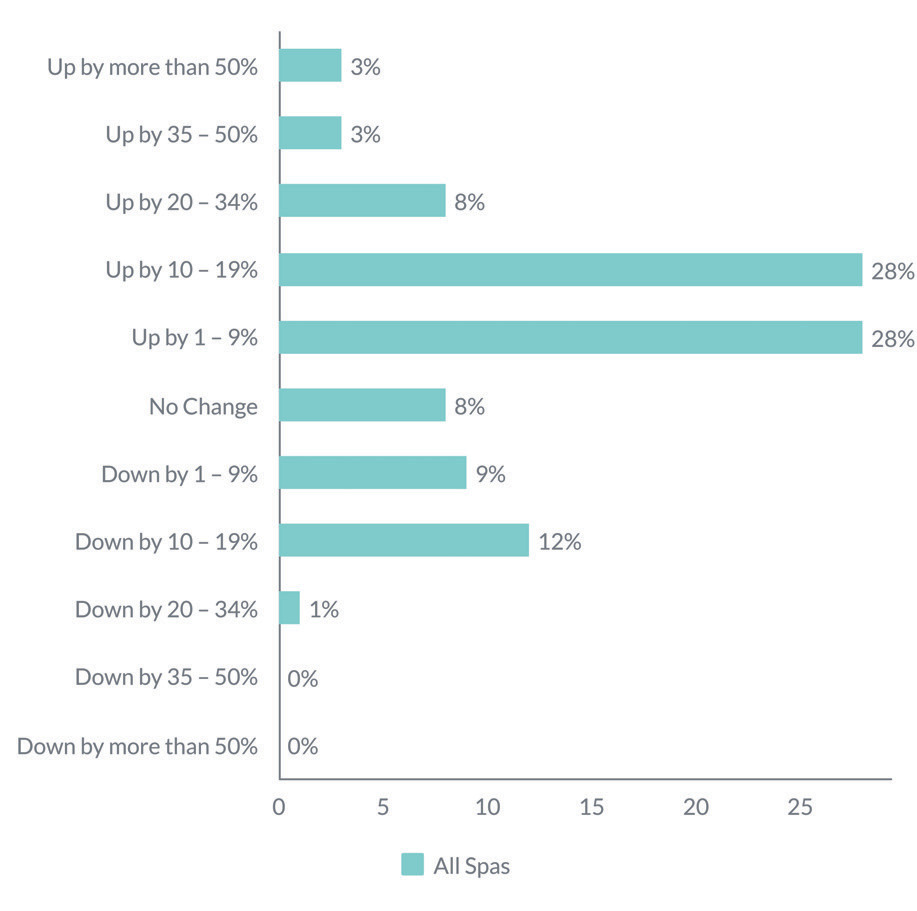
THE APRIL 2026 ISPA SNAPSHOT SURVEY suggests the spa industry entered 2026 with momentum, but not with conditions that reward passive management. The first quarter was broadly positive: 70 percent of spa respondents reported flat or increased gross revenue compared to Q1 2025, and more than 60 percent reported profit growth. Yet the more useful story for spa leaders is not simply that many businesses grew. It is how they are trying to protect that growth—through pricing discipline, sharper retail execution, selective staffing and seasonal programming designed around guest needs.
SPA GROSS REVENUE CHANGE Q1 2026 VS. Q1 2025
Up by more than 50%: 3% Up by 35–50%: 3% Up by 20–34%: 8% Up by 10–19%: 19% Up by 1–9%: 28% No Change: 8% Down by 1–9%: 9% Down by 10–19%: 12% Down by 20–34%: 1% Down by 35–50%: 0% Down by more than 50%: 0% (Bar chart labeled All Spas)
Pricing is becoming less of an annual menu update and more of a management lever
The survey, completed by 332 ISPA members and covering January 1 through March 31, points to an industry still expanding but increasingly focused on precision. Spa leaders are not only asking whether demand exists; they are asking whether each appointment, treatment room, service provider and retail interaction is producing the best possible business outcome.
Growth is real, but it needs context
At first glance, the revenue story is encouraging. But gross revenue alone can be a blunt instrument. In a labor-intensive, experience-driven business, topline gains may come from higher prices, increased traffic, greater treatment volume, premium service mix or more effective yield management. Each path has different implications for staffing, guest satisfaction and margin.
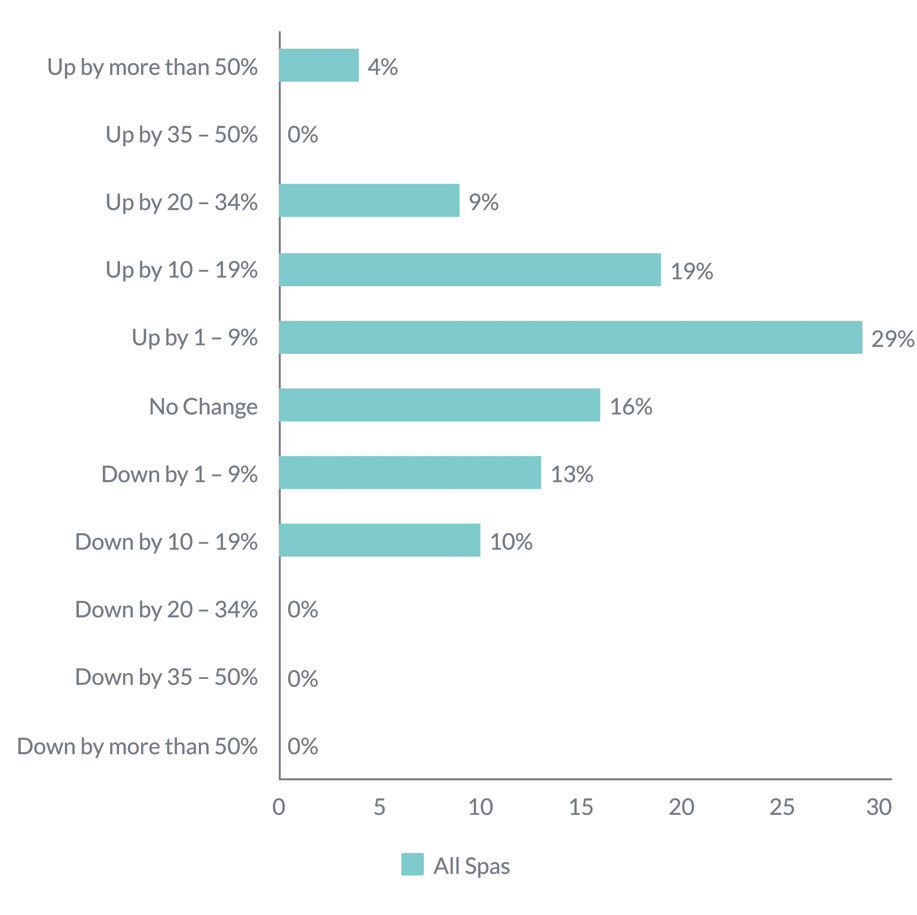
That is why profit performance is a necessary companion data point. More than 60 percent of spa respondents reported increased profit. Still, 23 percent reported profit declines, a reminder that growth does not automatically translate into stronger financial health.
SPA PROFIT CHANGE Q1 2026 VS. Q1 2025
Up by more than 50%: 4% Up by 35–50%: 0% Up by 20–34%: 9% Up by 10–19%: 19% Up by 1–9%: 29% No Change: 16% Down by 1–9%: 13% Down by 10–19%: 10% Down by 20–34%: 0% Down by 35–50%: 0% Down by more than 50%: 0% (Bar chart labeled All Spas)
Pricing has become an operating strategy
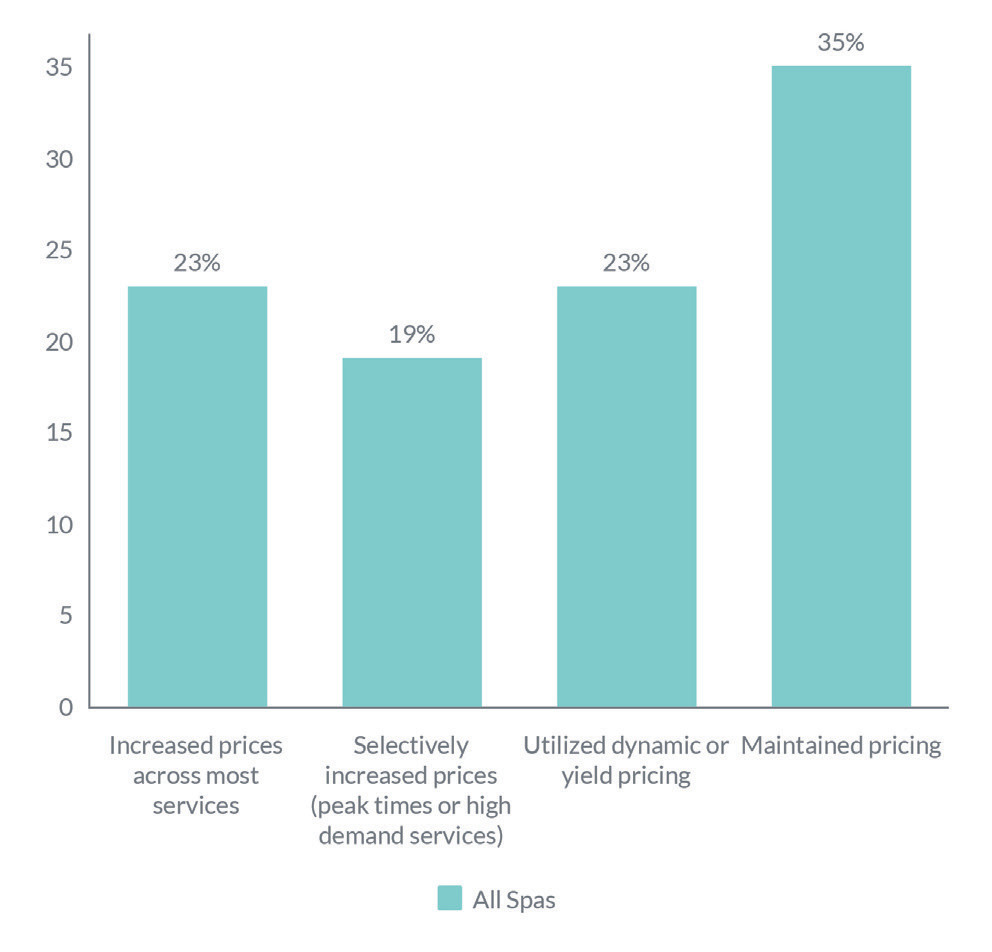
The most revealing finding in the Q1 Snapshot may be pricing. While 35 percent of spas maintained pricing during the first quarter, nearly two-thirds made some type of pricing move. Twenty-three percent increased prices across most services, 19 percent selectively increased prices for peak times or high-demand services and 23 percent used dynamic or yield pricing.
SPA PRICING STRATEGY Q1 2026
Increased prices across most services: 23% Selectively increased prices (peak times or high-demand services): 19% Utilized dynamic or yield pricing: 23% Maintained pricing: 35% (Bar chart labeled All Spas)
This is a meaningful signal. Pricing is becoming less of an annual menu update and more of a management lever. For operators facing uneven demand, shorter booking windows or constrained treatment room capacity, uniform pricing may no longer reflect the true value of peak appointments.
The strategic question is no longer simply whether revenue is growing. It is whether revenue is growing efficiently.
Dynamic and selective pricing strategies also invite a more sophisticated conversation about access and demand creation. Premium pricing during high-demand periods can protect margins, while softer periods may call for value-added experiences, locals' offers, packages or targeted outreach rather than blanket discounting.
Retail’s biggest challenge may be internal
Retail performance remains mixed but full of opportunity. Most spas reported average retail revenue per treatment between $5 and $15, while 18 percent reported more than $25. Year-over-year, 48 percent saw some increase in retail revenue per treatment, while 25 percent reported no change.
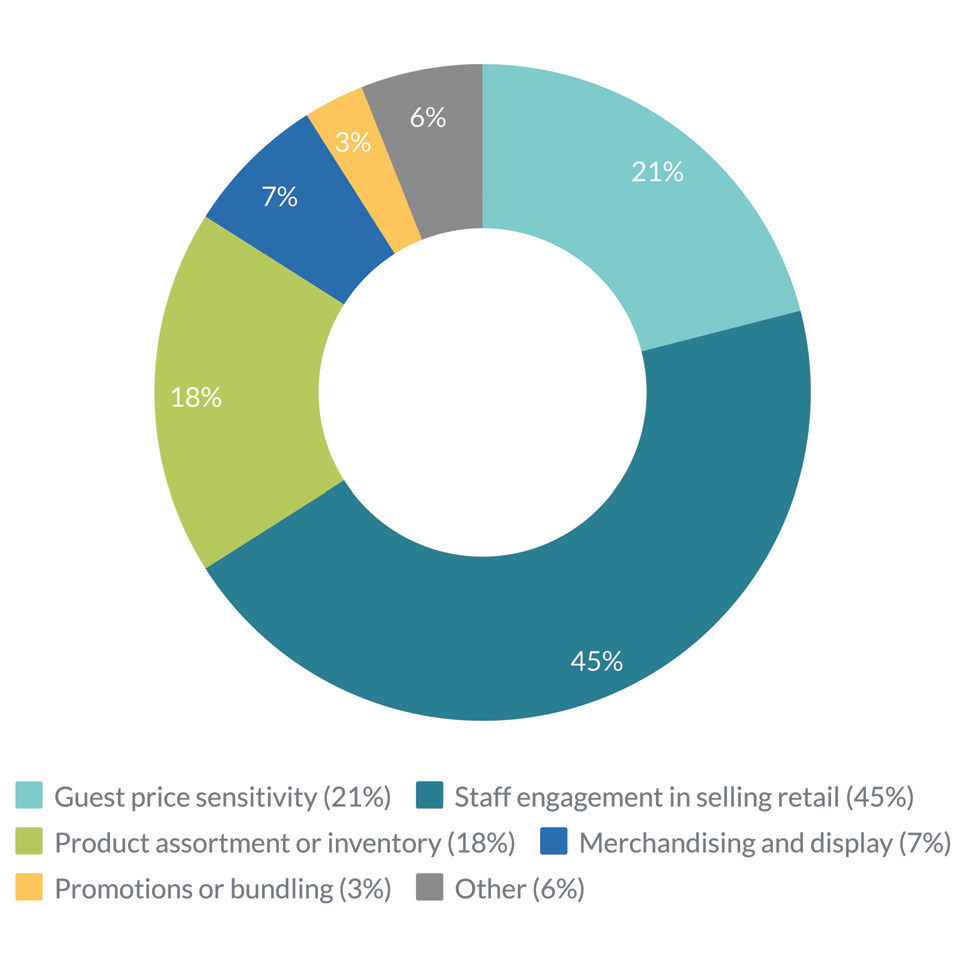
Those numbers matter, but the more actionable insight comes from the survey question asking what is having the biggest impact on retail sales. The top answer was not guest price sensitivity. It was staff engagement in selling retail, cited by 45 percent of respondents. Guest price sensitivity followed at 21 percent, and product assortment or inventory at 18 percent.
5 QUESTIONS TO ASK AFTER READING THE DATA
- Are our revenue gains flowing through to profit?
- Which services or time periods could support selective or dynamic pricing?
- Is retail performance limited more by guest resistance or staff engagement?
- Which summer offerings solve a real seasonal guest need?
- Are our vendor partnerships supporting measurable business goals?
Seasonal promotions are becoming strategic differentiators
Survey respondents also offered insights about summer promotional offerings. In open-ended responses, operators suggest thinking creatively about seasonality. Promotions and seasonal concepts included cooling rituals, after-sun treatments, sleep-focused services, seaweed therapies, outdoor activations, cabana experiences, locals’ discounts, summer skincare boot camps and community partnerships.
The strongest ideas share a common trait: They are not just discounts. They are timely responses to guest needs. A cooling leg treatment in a hot-weather market, an after-sun service at a resort, or a summer skincare boot camp gives the spa a relevant reason to communicate with guests while supporting both service and retail revenue.
Resource partner activity points to continued investment
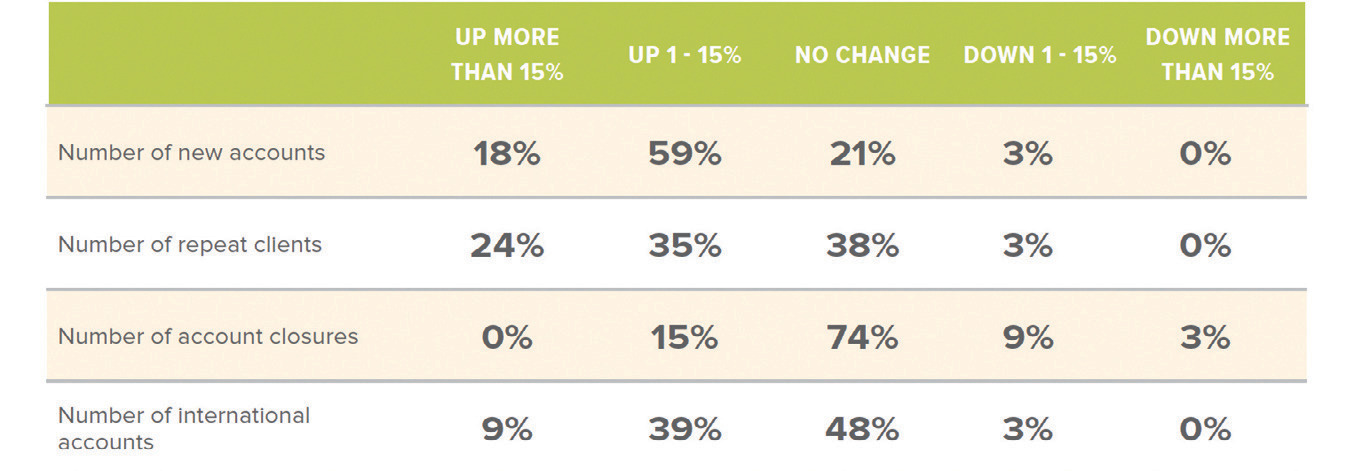
Resource partners reported strong movement in new accounts (with 77 percent seeing increases) and repeat clients (with 59 percent seeing increases). International accounts were also stable or positive for most respondents.
For spa leaders, this matters because resource partner activity can be an early signal of industry investment. Growth in new and repeat accounts suggests spas are continuing to evaluate products, retail lines, equipment, services and partnerships that can support guest experience and revenue generation.
This is especially relevant in a quarter where pricing, retail and seasonal programming all emerged as important themes. Vendor partnerships may help spas differentiate their menus, support staff education, improve merchandising and build stronger promotional stories.
The leadership takeaway
The April Snapshot Survey points to a spa industry that is healthy but more demanding. Growth is available, but it increasingly rewards leaders who understand the mechanics behind the numbers. Pricing must be intentional. Retail must be coached. Seasonal promotions must be relevant. Staffing must be connected to utilization and revenue opportunity.
The full Snapshot Survey data report offers a valuable benchmarking tool. Spa leaders can use the report not only to compare performance, but to pressure-test their own assumptions about pricing, profit, retail and demand. The full report is available to ISPA members as a member benefit and can be found in the Research tab at experienceispa.com.